Whether you’re building a new home from the ground up or renovating an existing property, Renovation and Construction Loans provide the funding you need. These specialized loans cover materials, labor, and other construction costs, offering flexible financing options to turn your vision into reality.

Renovation and construction loans are designed to finance the cost of home improvements, remodeling, or new home construction. These loans allow homeowners and buyers to upgrade, repair, or build properties with structured financing that releases funds in stages as work is completed.

These loans are ideal for homebuyers purchasing fixer-uppers, homeowners looking to renovate, and individuals building a custom home. Investors can also use these loans to rehab properties for resale or rental income.

Unlike traditional mortgages, renovation and construction loans provide funding in stages rather than a lump sum. Lenders disburse payments based on project milestones, ensuring that contractors and builders receive payments as work progresses.
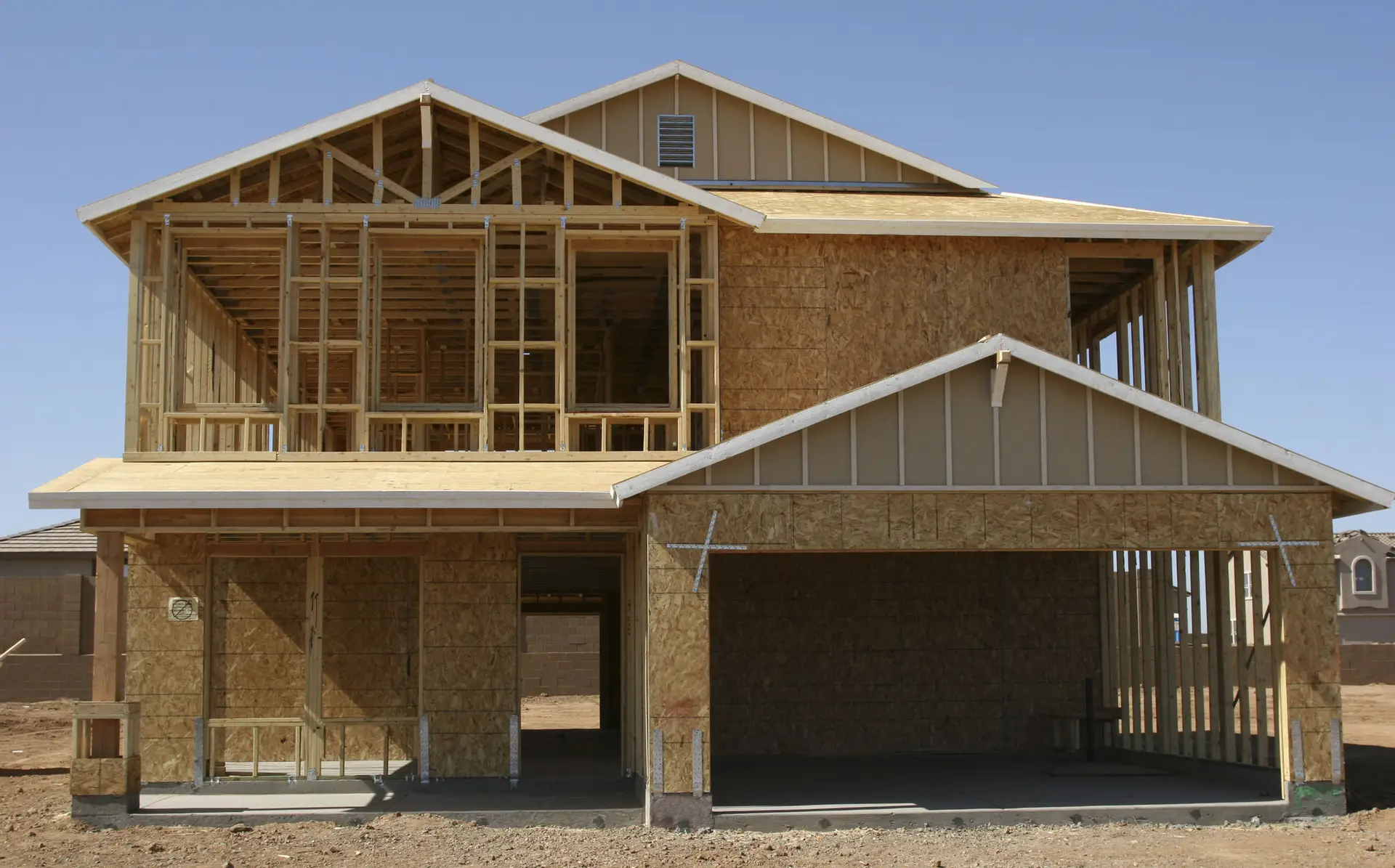
Loan options include FHA 203(k) renovation loans, Fannie Mae HomeStyle loans, VA renovation loans, construction-to-permanent loans, and standalone construction loans. Each loan type has different requirements based on the scope of work, borrower qualifications, and loan terms.
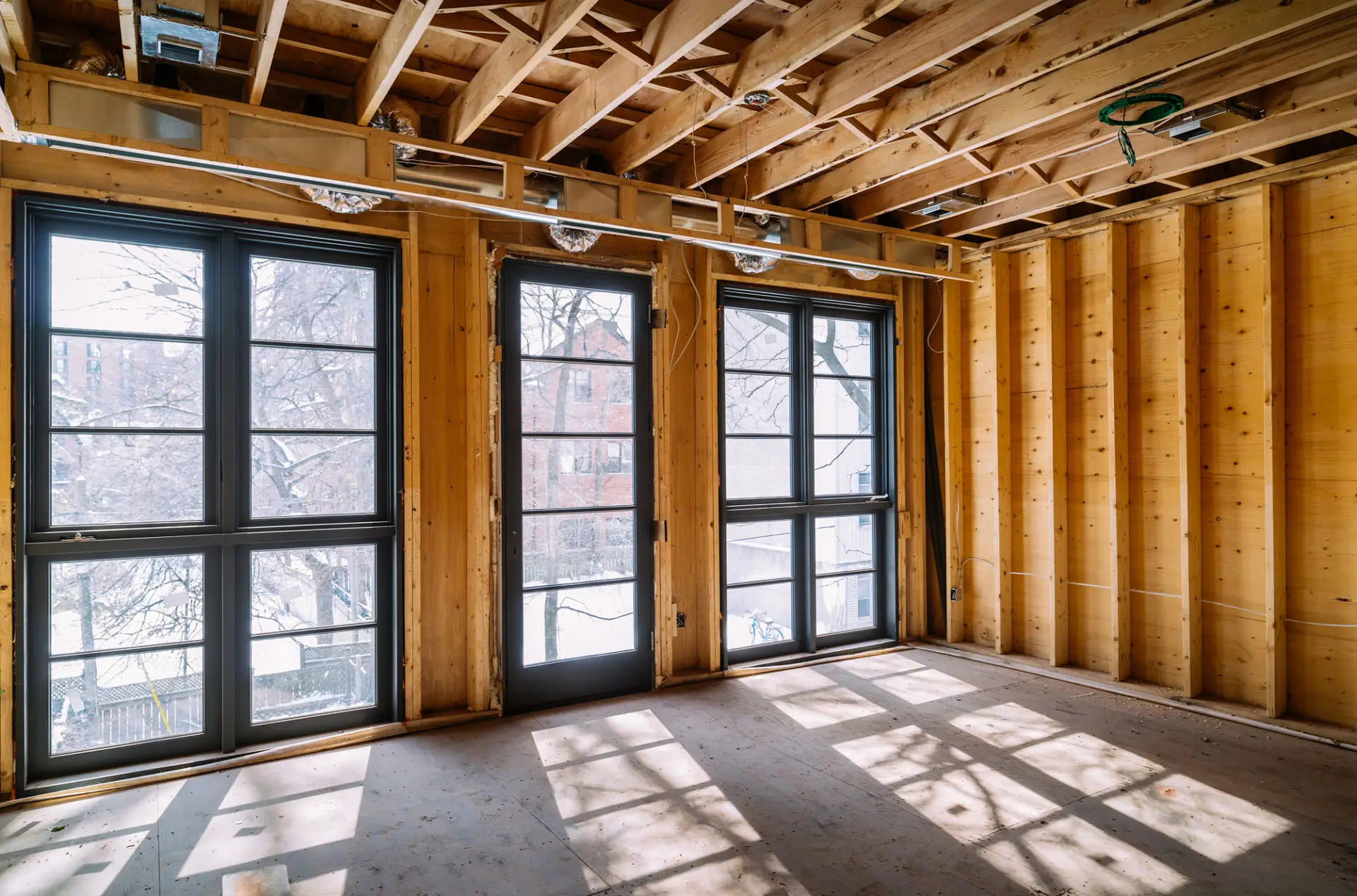
These loans provide flexible financing for remodeling, home improvements, or new construction. Borrowers can increase their home’s value, customize their living space, and spread renovation costs over time instead of paying upfront.

If you’re looking to upgrade your home, purchase a fixer-upper, or finance a custom-built home, a renovation or construction loan may be the perfect solution. A mortgage specialist can help determine the best loan option for your project.
These loans may let you create the right home without paying all renovation costs upfront. They can combine purchase and improvements into one plan, potentially add long term value, and keep more cash available, as long as the project and timeline are planned carefully.
Plan for budgets, plans, contractor review, appraisals and draw controls before financing a major project.
A renovation loan can combine eligible property financing and approved improvement costs, while a standard mortgage generally underwrites the home in its current condition. The renovation file normally adds plans, a detailed budget, contractor documents, inspections and controlled fund disbursements.
Renovation financing improves an existing structure. Ground-up construction financing funds a new build and may involve land, plans, permits, builder approval, interest during construction and conversion or refinance at completion. Program structure varies, so define the project before comparing loans.
An appraisal may evaluate the plans, specifications, budget and comparable properties to develop an eligible subject-to-completion value. The lender also reviews the current property and project feasibility. A higher proposed value is not guaranteed merely because the renovation costs more.
Funds are commonly held in a controlled account and released in draws after documented progress and required inspections. Borrowers should understand contingency requirements, change-order rules, draw timing and which costs are ineligible before work begins.
Bring the property or project concept, a realistic scope, preliminary budget, timeline and information about the contractor or builder. Do not begin work that could affect eligibility before receiving program guidance. Explore purchase financing or describe the project to Jack.
